
Local SEO covers the techniques used to raise a site’s visibility in location-based search results and drive more traffic to its pages. The core components are the right keywords and key phrases, optimized content built around those terms, and the social media activity that supports them.

What is local SEO?
Local SEO refers specifically to the ways used to increase the volume of traffic to a web page by increasing the ranking of certain elements on the page. It is also called local content, local optimization, or local internet marketing.
Which social media channels help local SEO?
Social media is the posting of information and comments on a web page or blog. These forms of influencers include comments, blog posts, and the likes. Social media allow you to interact with others and get inbound links from them. By using social media in an inbound manner, you can get inbound links from them and build your local SEO strategy. For instance, you can set up your Facebook page to share articles written by others with the appropriate keywords and then post a link back to your website within the comment box.
How does internal linking help with local search?
Internal linking structure is also known as inbound pointing or internal crawling. It is a means to optimize your site for a particular search query that asks for a location or neighborhood. This is often done by optimizing your web page’s content. For instance, you can optimize your main keyword phrase on the home page, and then provide a few pages that are specifically about that keyword phrase.
How should you research keywords for a local audience?
You can optimize your web content for your local set objectives by looking at the target audience and trying to find out what their typical search queries are. Once you have determined the keywords your target audience is using to search for the things you offer, you can use them in the meta description, title, and images of your web pages to optimize them for search engines. Also try to place your meta description and title on pages that receive significant traffic.
Where does PPC fit into a local SEO plan?
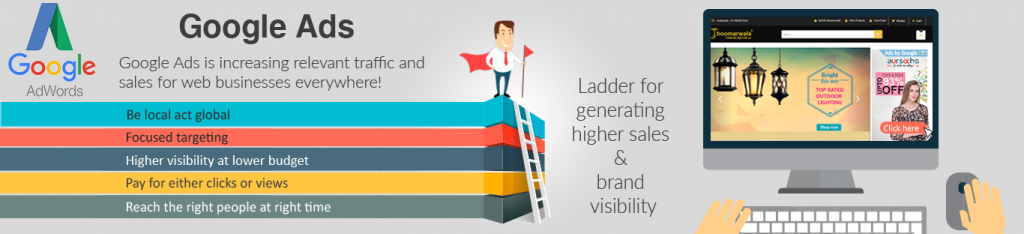
Another way to optimize your web content for local SEO is by using PPC or pay per click advertising. With pay per click advertising, you bid on keywords or keyword phrases that you think will be useful to your prospects. You do not want to overdo it with these ads, however. By testing your keywords over time, you can learn which ad groups and keywords bring you the most traffic. By focusing on getting inbound links from these sites, you can improve your website’s ranking and ultimately get better results. Inbound links from authority sites such as your local business association or chamber of commerce, local Chamber of Commerce, and local university or college can help you achieve higher rankings in the search engines.
What does good on-page optimization look like?
On-page optimization is important but is not as easy as creating a new web page. Because search engines tend to favor websites with relevant and informative content, you need to make sure that all of the information provided on your site is well-written and useful to visitors. If you only have an interest in selling a product or offering a service, you need to make sure that your content engages your audience and that it makes sense. In other words, you need to provide quality content and use your keywords correctly throughout your website. When you optimize your site for search engines, you will be able to see a noticeable difference in your ranking.
Why does your business profile matter?
The last, but certainly not least important part of building a successful local SEO strategy is to use good keyword research and build a strong business profile. Your business profile will consist of the exact name, address, phone number, email address, and website URL that you use when you conduct business online. It will include all of your online accounts, such as your Facebook, Twitter, and MySpace accounts. Keyword research should be your first step in local SEO and it can result in higher search engine rankings and more conversions.
FAQ
What is local SEO?
Local SEO refers to the techniques used to increase traffic to a web page by improving the ranking of certain elements on the page. It is also called local content, local optimization, or local internet marketing.
How do social media and inbound links support local SEO?
Social media lets you interact with others and get inbound links from them. Using social media in an inbound way, such as sharing keyword-relevant articles on your Facebook page and linking back to your site, helps build a local SEO strategy.
What belongs in a local business profile?
A local business profile includes the exact name, address, phone number, email address, and website URL used to conduct business online, along with your online accounts on platforms such as Facebook, Twitter, and MySpace.