
Local search marketing is a set of SEO tactics that target geography-based queries so a business shows up in Google Maps, local directories, and the map pack. With roughly 30% of smartphone searches tied to location and about 78% of “near me” searchers visiting a business within a day, ranking locally drives real foot traffic and leads.
What Is Local SEO and Why Does It Matter?
Local SEO works like traditional SEO but with a geographic layer. Businesses with a physical location should optimize for terms tied to the city or region they serve. Doing so raises visibility on Google Maps, in local directories, and in organic results, producing free inbound leads from people already looking nearby.
The payoff goes beyond rankings. A clean, fast, mobile-friendly site reduces confusion and keeps visitors from bouncing. Citations (mentions of a business name, address, phone number, and website) verify the business to Google and pass along beneficial backlinks.
Track Rankings and Traffic Before You Optimize
Every local SEO plan starts with measurement. Set up a Google Analytics account to monitor click-through rate, social participation, and content performance. Use a Rank Tracker to follow rankings for your site’s 10,000 most popular keywords so you can see what moves the needle.
Build Citations and Backlinks From Quality Sources
Acquiring backlinks from high-quality sources increases a site’s domain authority with Google, which in turn lifts local search rankings and brings additional traffic. Sites with more than 1,000 backlinks have an excellent chance of appearing in local search results. Pair link-building with consistent NAP citations across directories to reinforce the business’s details in Google’s eyes.
Use Reviews to Win Local Visibility
Reviews drive both rankings and buyer decisions. Roughly 87% of consumers read online reviews when searching for local products and services, 73% pay particular attention to reviews written within the last month, and 48% would not use a business with a rating lower than four stars. Encouraging fresh, detailed reviews helps a business stand out from the competition and showcase its personality.
Optimize for Mobile and Local Intent
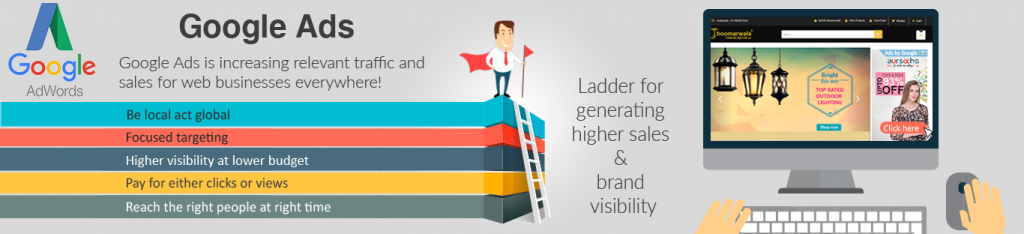
About 79% of mobile and tablet users search for local businesses, and more mobile searches are being conducted than ever before. A mobile-optimized site captures that intent and ranks higher in local results. More than four out of five Google searches are local, and the vast majority of these searchers are highly motivated to make a purchase, so paid ads and local SEO together put a business in front of buyers ready to act.
Bottom Line
Local SEO combines citations, quality backlinks, recent reviews, and mobile optimization to put a business in front of nearby searchers. Track the data, keep NAP details consistent, and refresh review signals often to compete with larger brands in the local market.

Related coverage