
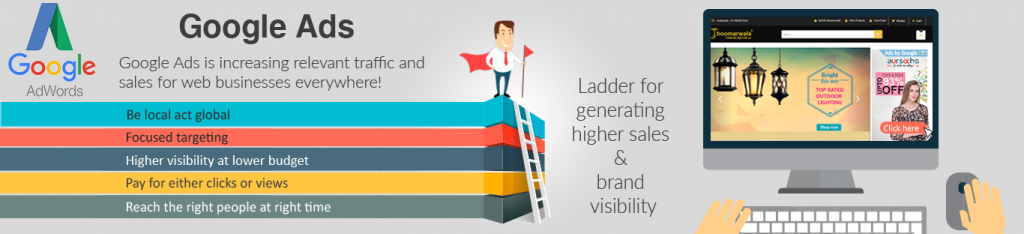

Getting your website on the first page of Google for your local search terms is one of the most effective ways to bring people to your business and generate leads. This guide covers the basics of local SEO, including keeping your Google Business Profile and NAP citations accurate, optimizing for mobile and voice search, and publishing content that holds up over time.
Optimize your website for mobile
More than half of all web traffic comes from portable devices, so a mobile-friendly site is a key step in local SEO. If your site does not adapt to smaller screens, you will miss a large share of your target audience.
Build a responsive site that automatically adjusts to the user’s screen size. Doing so also reduces page weight, which helps visitors load larger images. On top of responsiveness, tune page speed, minify your code, and size your images appropriately for search engine optimization.
Optimize your website for voice search
Voice search optimization is not the same as conventional SEO, so your marketing strategy needs to account for how voice queries differ from typed ones.
Start with your Google Business Profile. It is a free tool for tracking customer activity on your site and seeing how visitors interact with your SERP listing.
Mobile matters here too: about 27% of internet users conduct voice searches on their mobile devices. If your site is not mobile-friendly, you lose that traffic to voice-powered mobile assistants.
Keep your NAP citations up to date
NAP stands for name, address, and phone number. Keeping these citations current matters because inconsistent listings confuse both Google and your customers.
Wrong information can drag down your ranking and push visitors back to the search results to find a competitor. When a business changes its phone number, every local directory needs to reflect the new number, or the listing carries inaccurate NAP data.
Hours, services, and email addresses need to match across listings as well. Some businesses pay for online reputation management services to keep listings fresh, but a regular manual audit is a cheaper way to catch errors.
Make updates to your Google Business Profile
Google Business Profile is the platform that connects you with consumers on Google Maps and Search, which is where a lot of local discovery happens. A complete profile also builds brand recognition.
Keep your contact information current, including your location, business hours, and any new employees or equipment. Add the towns where you provide services so customers in those areas can find you.
Respond to customer reviews. Replies show Google you are active online and engaging with consumer questions, and they can bring in more leads.
Get on the first page of Google
Ranking on the first page of Google with local SEO increases visibility, drives traffic, and helps convert more visitors into sales.
A page-one site is easy to read, easy to navigate, and responsive across screen sizes. Mobile setup deserves its own attention because of how much traffic now comes from phones.
High-quality evergreen content is the engine. The same pieces can be repurposed across social media, emails, paid ads, and other marketing channels.
Related coverage
- Optimizing Your Website: A Comprehensive Guide to SEO for Business Owners
- Maximizing Your Online Presence: A Comprehensive Guide to SEO for Business Owners