
Local SEO (local search engine optimization) is a targeted form of internet marketing that improves your website’s chances of appearing in search results for keywords tied to a specific location. Google and other search engines use location data when ranking results, which is why a site optimized only for broad national or international searches can still miss nearby customers. Local SEO closes that gap.

How Local SEO Has Changed
Earlier internet marketers had limited control over where and when their sites appeared in local search results. They largely had to trust that a page would surface for its chosen keywords. Local search optimization is now more sophisticated and more targeted, and more business owners are working to localize their web presence as new local markets open up.
What A Local SEO Strategy Includes
A local SEO strategy typically covers:
- On-page optimization of your website or blog for keywords tied to your market
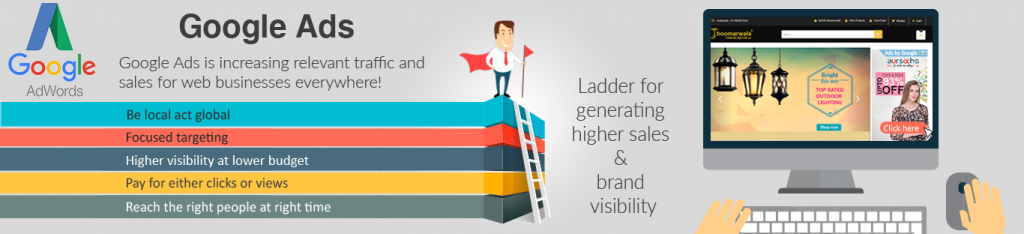
- Paid campaigns such as pay per click advertising, text links, social media networking, and viral email campaigns
- Off-page optimization such as article marketing, directory listings, and social bookmarking
Focus On A Few Directories First
If you are implementing local SEO, stick with one strategy at a time rather than spreading effort thin. Rather than submitting your website to every major search engine optimization directory at once, focus on a few major ones such as Google, MSN, and Yahoo first. That improves your chances of being noticed by searchers in those directories and by other local SEO companies.
Building On A Solid Foundation
Once your site or blog is optimized and you have begun building links and attracting local visitors, a more detailed approach to local internet marketing makes sense. Comprehensive local services are one route. Local SEO companies offer packages that include pay per click management, pay per play advertising, local Google Places optimization, and similar offerings. Many include website audits that look at how easily visitors can find your site, covering page speed, web design fundamentals, meta tags, content, headers, and footer.
Design And User Experience
Optimizing a website for the local market goes beyond color scheme and font. It includes the user experience on the site, which is why some local SEO companies run audits covering page speed, meta tags, content, headers, and footer alongside visual design.
Backlinks Through Digital Marketing
The internet keeps evolving, and so should your website. A central part of SEO is using digital marketing to create backlinks that search engines register. Submitting the site to web directories and making sure it includes a series of quality citations is one of the most effective approaches. Digital marketing efforts that feed this include articles, press releases, digital product reviews, videos, blog posts, and other content placed on directory websites that contain high quality backlinks.
Keywords Across The Whole Site
SEO comes down to more than a single good keyword phrase. It is about using those keywords in as many different ways as possible throughout your website, including in online marketing and copywriting efforts. Done correctly, SEO is an essential part of any online marketing effort.
Related coverage
- The Importance of SEO for Business Owners: An Essential Guide
- Maximizing Your Online Presence: A Comprehensive Guide to SEO for Business Owners