
Local search marketing helps small businesses and brands with multiple locations rank higher in local search results. It combines on-site quality, local SEO, review monitoring, dedicated location pages, and paid media to reach nearby customers who are more likely to call, visit, and buy.
What makes a local search marketing strategy work?
A website optimized for local search also needs to be optimized for overall quality. Quality content, fast page load times, and a high-quality UX all contribute to a high ranking. Investing in the design and architecture of your site is what produces a significant boost in local search rankings. SEO is also a critical component of local search marketing, and it pays off in the long run.
Why local search behavior matters for business
Local search engines work by responding to queries with a local focus, and the local search result page is based on a database of local business listings. If a user searches for your business, your website should be listed.
How does local search marketing engage users?
Local search rankings are based partly on user engagement. Creating visible local packs is one way to increase visibility and engagement. Other elements of a website should encourage user interaction. Photos, charts, and infographics encourage users to engage with the website. Reviews are also valuable in multiple contexts. If your site is hard to navigate or does not respond quickly to visitors, it is unlikely to generate much business.
What role do reviews and paid media play?
Monitoring online reviews is another way to boost online traffic through local search marketing. While it is not as effective as organic listings, it is still a good strategy for local businesses to take advantage of. Businesses can also benefit from targeted advertising through paid media channels. Combining organic search results with paid media platforms is one way to reach new audiences, which increases the chances of capturing more customers and a higher ROI.
Local SEO versus paid search
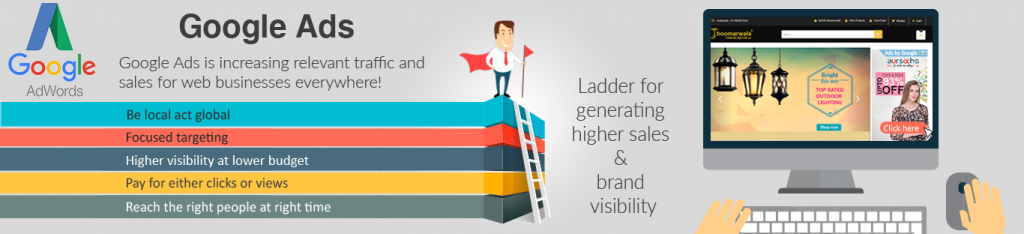
Local search marketing should not be confused with local SEO. Paid Search (PPC) is a method to appear on Google. By paying for ads, businesses can get their ads displayed to people who search for specific keywords in their area. Local SEO has many advantages for businesses. When implemented correctly, it can give your business a greater chance of showing up on Google’s local search results. Once local SEO is done properly, it will drive more business and help your business grow.
How do dedicated location pages improve rankings?
To boost your local search marketing, create a unique web page for your business that covers your name, location, and relevant local keywords. If you have more than one location, consider creating separate web pages for each location. These pages can also be a persuasive way to convince customers to choose your local business over the competition. They support local rankings and broader search engine optimization efforts, and they can be used to promote complementary local services.
Why local visibility drives purchases
When a user does a local search, the likelihood of making a purchase is higher. Someone who sees a business in Minneapolis will call it, drive to it, and make a purchase. When a site is not local, viewers feel disappointed. If they cannot find the product or service they need, they go somewhere else. The better a local business’s presence is, the better it will do in the long run.
What to watch out for in local search agencies
With the help of local search marketing, a business will be found by local customers and selected more often. A successful local search marketing strategy will ensure that you are visible on Google, but there is no such thing as an overnight success. No local search marketing company can guarantee top rankings overnight. If an agency promises you top rankings on Google, they are likely scamming you. And if someone threatens to remove your listing, run for the hills.